

Shop Liquors
Buying wine and spirits can be as simple as picking a familiar bottle, but a little thought can make the experience much more rewarding. Whether you're planning a dinner, stocking a home bar, choosing a gift, or getting drinks for a weekend gathering, there are several things worth considering before making a purchase.
With so many options available, shoppers often focus only on price or brand. However, factors such as flavor, occasion, food pairing, alcohol content, bottle size, and personal preference can make a much bigger difference. If you plan to Shop Liquor, knowing what to look for can help you make choices that fit your needs without feeling overwhelmed.
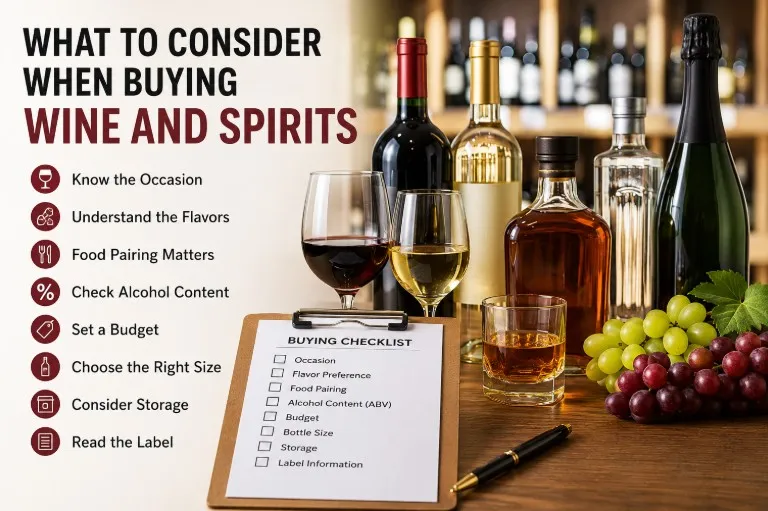
Start With the Occasion
The first question to ask is simple: What are you buying the bottle for?
A wine for a quiet dinner may be very different from one chosen for a large celebration. Likewise, a whiskey purchased for sipping may not be the same type you'd choose for cocktails.
Think about how the drink will be served and who will be drinking it. For a dinner party, you may want a versatile wine that works well with several dishes. For a cocktail night, spirits such as vodka, gin, rum, tequila, or whiskey may be more useful.
The occasion also helps determine how much you need. Buying several large bottles for a small gathering can leave you with more than necessary, while buying too little for a larger event can be inconvenient.
Know the Main Types of Wine
Wine comes in many styles, but understanding the basic categories makes choosing a bottle easier.
Red Wine
Red wines are often fuller and richer, although their flavors can vary widely. Cabernet Sauvignon, Merlot, Pinot Noir, and red blends are common choices.
If you're serving grilled meats, burgers, pasta with rich sauces, or hearty dishes, a red wine may be a good fit.
White Wine
White wines are generally lighter and often served chilled. Chardonnay, Sauvignon Blanc, Riesling, and Pinot Grigio are popular varieties.
White wine can work well with seafood, chicken, salads, lighter pasta dishes, and creamy cheeses.
Rosé Wine
Rosé sits between many red and white wine styles in terms of color and can offer fresh, fruit-forward flavors. It's a popular choice for warm-weather meals, casual gatherings, and outdoor events.
Sparkling Wine
Sparkling wines bring bubbles and a festive feel to occasions such as birthdays, weddings, holidays, and celebrations. Prosecco, Champagne, and other sparkling styles can vary in sweetness and flavor.
Consider the Flavor Profile
Your personal taste should play a major role in your buying decision.
Some people prefer dry wines with crisp acidity, while others enjoy sweeter and fruitier options. The same principle applies to spirits. One whiskey may have notes of vanilla and caramel, while another may taste smoky, spicy, or oaky.
If you're unsure what you like, think about flavors you already enjoy.
For example, someone who likes fresh citrus flavors might enjoy a crisp Sauvignon Blanc or a citrus-forward gin. Someone who prefers richer flavors may enjoy a Cabernet Sauvignon or a bourbon with notes of oak and caramel.
Reading the bottle description can also provide useful clues about the expected taste.
Think About Food Pairings
Wine and food can work together in ways that make both taste better.
You don't need to follow complicated pairing rules. Start with the main ingredient and overall flavor of the meal.
A light white wine may pair nicely with seafood, while a fuller red can complement grilled or roasted meats. Sparkling wine can be a versatile option for appetizers, salty foods, and celebrations.
For spirits, think about the drink you'll prepare. If you're making margaritas, tequila is an obvious starting point. For a classic gin and tonic, a suitable gin and tonic water are key. Whiskey can be enjoyed on its own or used in cocktails such as an Old Fashioned or Manhattan.
The goal isn't to follow strict rules. It's to choose combinations that you and your guests will actually enjoy.
Pay Attention to Alcohol Content
Alcohol by volume, commonly shown as ABV, tells you how much alcohol a beverage contains.
Wine often has a lower ABV than many distilled spirits, while liquor such as whiskey, vodka, rum, tequila, and gin generally has a higher alcohol content.
This matters when you're deciding what and how much to serve. It can also help when comparing different products within the same category.
Remember that serving size matters too. A smaller pour of a higher-proof spirit can contain a significant amount of alcohol compared with a larger serving of a lower-ABV beverage.
Set a Realistic Budget
Price is an important part of buying wine and spirits, but expensive doesn't always mean better for your particular occasion.
Set your budget before you start shopping. Then look for bottles that fit both your price range and your intended use.
If you're hosting a large gathering, spending heavily on every bottle may not make sense. You might instead choose dependable options for the group and reserve a more premium bottle for a smaller dinner or special occasion.
For a gift, your budget may also depend on your relationship with the recipient and the type of event.
A clear budget keeps the decision simple and helps prevent unnecessary spending.
Check Bottle Size
Bottle size is another practical consideration that is easy to overlook.
A standard wine bottle is commonly 750 milliliters, while spirits are available in several sizes. The right choice depends on how many people you're serving and how often you expect to use the bottle.
For a single dinner, one or two bottles may be enough depending on the number of guests. For a home bar, larger bottles can make sense for spirits you use regularly.
Also consider storage space. Buying more than you can comfortably store may not be worthwhile.
Think About How the Bottle Will Be Used
Before buying, consider whether the beverage will be served straight, over ice, mixed into cocktails, or paired with food.
A spirit intended for cocktails doesn't necessarily need to be the same type you'd choose for sipping. A wine for cooking may have different requirements than a bottle you're serving at a special dinner.
Knowing the intended use can narrow down your choices quickly.
For example, if you're building a basic home bar, you may want a selection that covers common cocktails rather than buying several bottles that serve the same purpose.
Consider Storage Conditions
Proper storage can help maintain the quality of wine and spirits.
Wine is generally best kept away from excessive heat, direct sunlight, and major temperature changes. Once opened, some wines may also benefit from refrigeration depending on the style.
Unopened spirits are generally less sensitive than wine, but they should still be kept in a cool, dry location away from direct sunlight.
Think about where you'll store your purchases before buying several bottles at once. Good storage is particularly important if you're purchasing bottles that you plan to keep for a while.
Read the Label Carefully
Labels can provide useful information about a bottle's variety, origin, alcohol content, size, and style.
For wine, look for details such as grape variety, region, vintage, and sweetness level when available. With spirits, the label may tell you the spirit category, age statement, proof, production style, or flavor description.
Don't feel pressured to understand every term. Focus on the information that matters to your purchase.
If you're trying a new category, comparing two labels can also help you understand what makes the bottles different.
Buy Based on Your Preferences, Not Trends
Popular products can be fun to try, but trends shouldn't be the only reason you choose a bottle.
A highly talked-about whiskey may not suit someone who prefers light, fruity drinks. Likewise, a popular red wine won't necessarily appeal to someone who prefers sweeter white wines.
If you already know what flavors you enjoy, use that knowledge as your starting point. You can always try something new once you have a better understanding of your preferences.
When you Shop Liquor, a good purchase is ultimately one that fits your taste, budget, occasion, and serving plans.
Practical Tips Before You Buy
A few simple habits can make shopping easier:
Decide on your budget before browsing.
Know how many people you're serving.
Consider the food or cocktails involved.
Check the ABV and bottle size.
Read the label instead of relying only on packaging.
Think about whether you prefer dry, sweet, fruity, smoky, spicy, or smooth flavors.
Compare similar bottles within your price range.
Buy according to your needs rather than simply following trends.
Store unopened bottles properly after purchase.
For alcohol purchases and consumption, follow applicable local laws and age requirements.
Final Thoughts
Buying wine and spirits doesn't have to be complicated. Start with the occasion, think about your preferred flavors, consider the food or cocktails involved, and set a budget that makes sense.
From choosing a crisp white wine for a seafood dinner to picking a whiskey for a home bar, the best purchase is one that matches how you actually plan to enjoy it. Once you understand the basics, comparing bottles becomes much easier and more enjoyable.
FAQs
1. What should I consider first when buying wine or spirits?
Start with the occasion and how you plan to serve the drink. Then consider flavor, budget, alcohol content, and bottle size.
2. How do I choose a wine for dinner?
Consider the main ingredients and overall flavors of the meal. Lighter wines often work well with seafood and lighter dishes, while fuller reds can pair well with richer foods.
3. Does a higher price mean better wine or spirits?
Not necessarily. A more expensive bottle may offer different qualities, but the best choice depends on your taste, occasion, and budget.
4. What does ABV mean on a bottle?
ABV stands for alcohol by volume. It indicates the percentage of alcohol in the beverage and can help you compare products within different categories.
5. How should wine and spirits be stored?
Keep bottles away from excessive heat and direct sunlight. Wine generally needs more careful storage, while unopened spirits are usually easier to store in a cool, dry place.